New wave
Africa has experienced eight successful coups in the past three years. The current wave of coups follows a period when military takeovers dipped to their lowest level in the two decades to 2020, after peaking in the 1970s.
Job for life
Some of the leaders who seize power rule for decades while others are overthrown within days of taking control of government.
Most of the countries in the Sahel have experienced military takeovers. The latest coups in the region referred to as the coup belt happened in Niger and Gabon in 2023.
Military leaders also seized power in Mali in 2020 and 2021, and in Chad, Guinea and Sudan in 2021. Burkina Faso experienced two coups in 2022. All these countries, except Sudan, are former French colonies.
Since 2000, three-quarters (19 of 26) of successful coups in Africa have happened in former French colonies. This has led some to question whether French influence in Africa has a destabilising effect.
Many countries in Western and Central Africa have had multiple successful coups. About half of the 17 countries that have had at least four successful coups are in West Africa.
Burkina Faso has had the highest number of successful coups in Africa at eight, followed by Sierra Leone and Uganda with seven each.
Only a third of African countries, mostly in Eastern and Southern Africa, have never had successful coups.
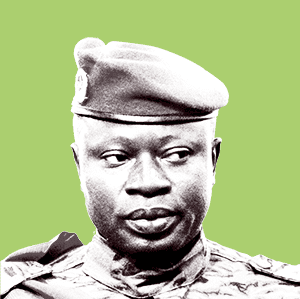
At age 34, as of 2024, Ibrahim Traoré is the youngest serving president in the world. He became the interim leader of Burkina Faso following the 30 September 2022 military takeover, which removed interim president Paul-Henri Sandaogo Damiba.
Military takeovers
Nearly 90 percent of the successful coups have been carried out by the military followed by mercenaries at 4 percent. Other types of coups in Africa include civil resistance, colonial power, rebel forces and palace coups.
Live by the sword, die by the sword
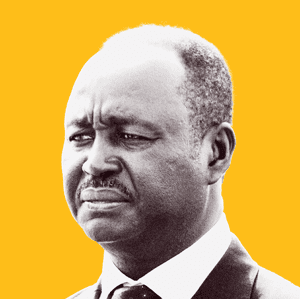
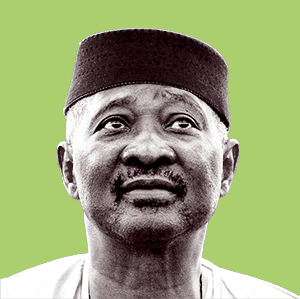
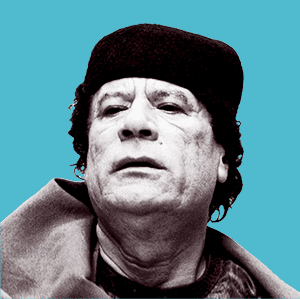
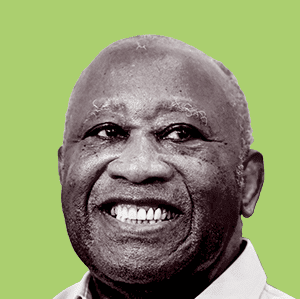
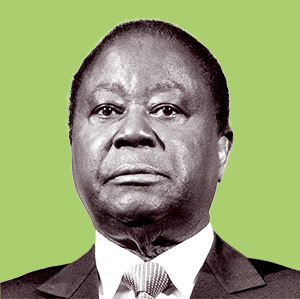
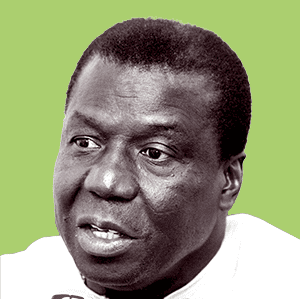
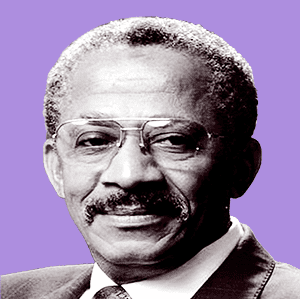
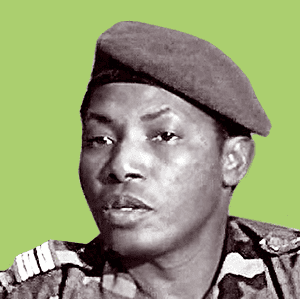
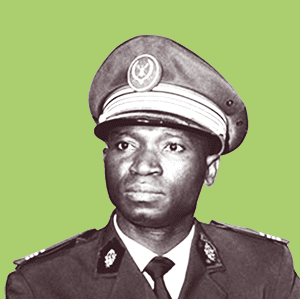
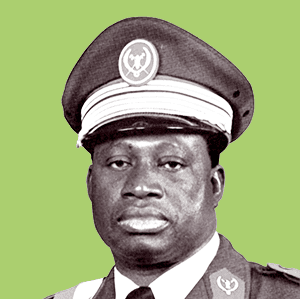
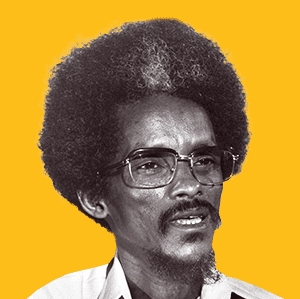
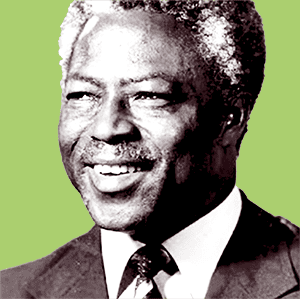
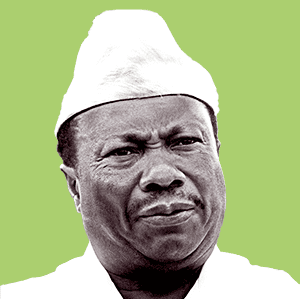
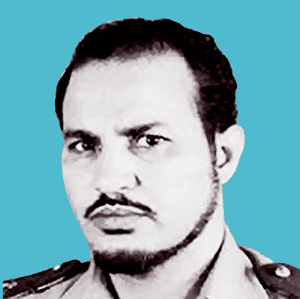
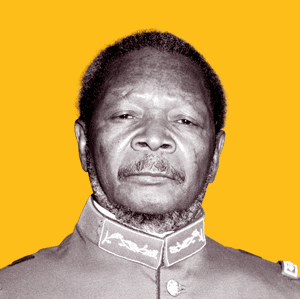
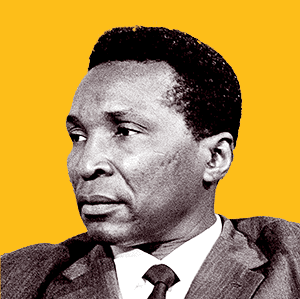
Many of the leaders who seize power through coups are later deposed and sometimes killed.
...there we go.

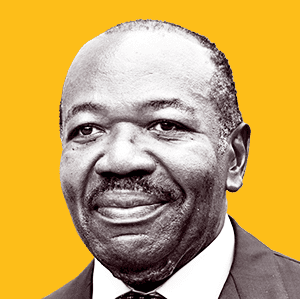
 Gabon
Gabon
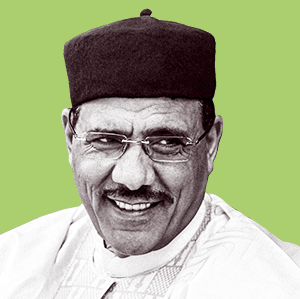


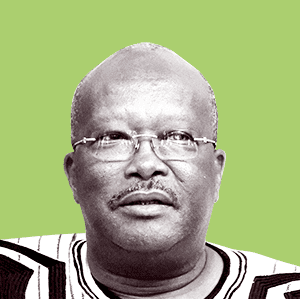












































 Gabon coup: Army seizes power from Ali Bongo and puts him in house arrest
 Niger coup: Is France to blame for instability in West Africa?
 Burkina Faso coup: Ousted military ruler Damiba in Togo